
Safe Gas Line Installations For Modern Appliances
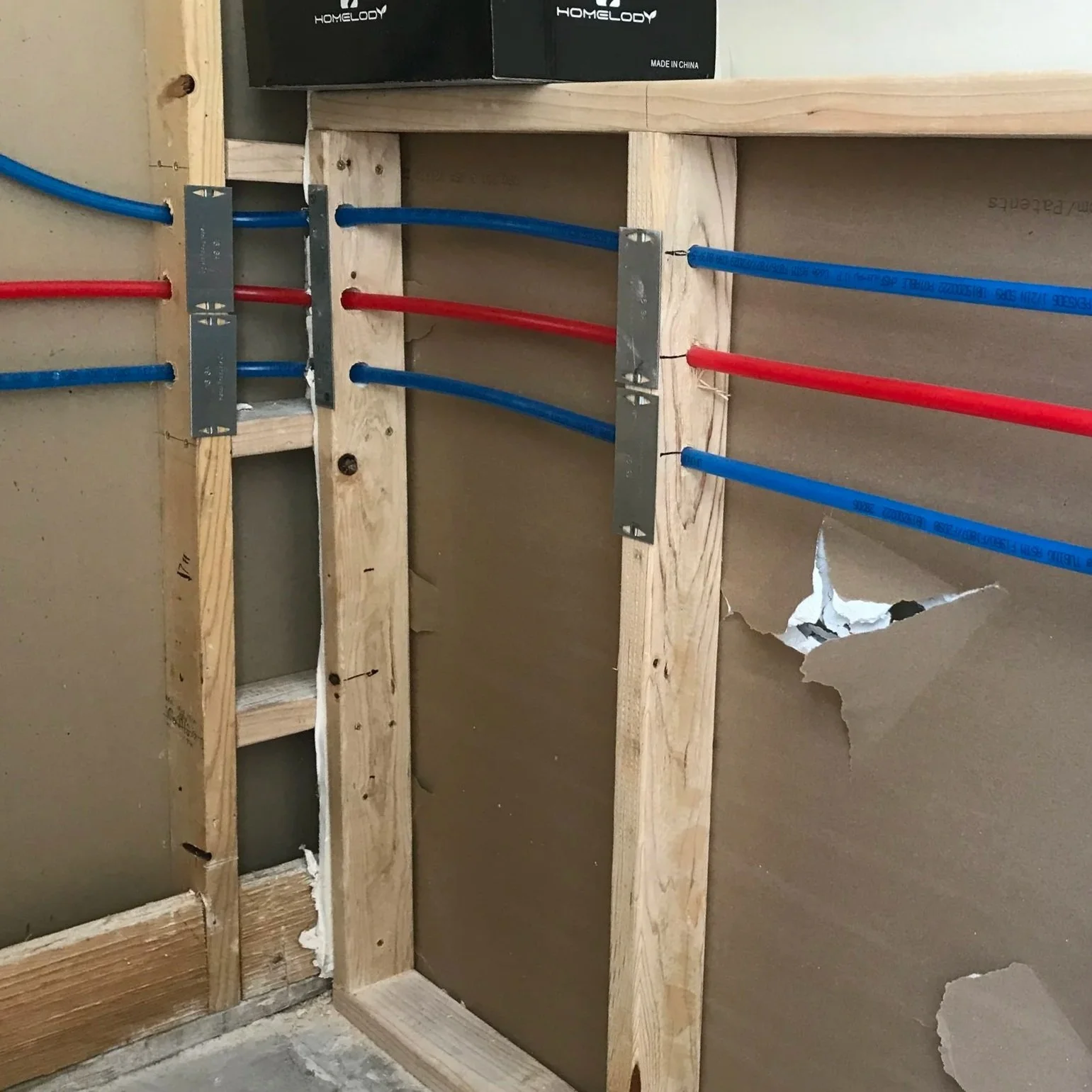
Whether upgrading a kitchen stove, adding a new heater, or installing a gas fireplace, a professional approach to gas line installation and repair makes all the difference.
Modern appliances rely heavily on precise and secure gas line installations to perform at their best. Whether upgrading a kitchen stove, adding a new heater, or installing a gas fireplace, a professional approach to gas line installation and repair makes all the difference. Safety, efficiency, and long-term reliability depend on meticulous work and specialized knowledge that professionals bring to the table.
Understanding The Importance Of Proper Gas Line Installation
Gas line installation plays a critical role in keeping homes and businesses running smoothly. The delivery of natural gas or propane must be carefully controlled to avoid leaks, pressure drops, or hazards. Modern appliances often require specific line sizes and pressures, making accurate measurements and configurations vital.
A poorly installed gas line can cause performance issues with appliances, increased utility bills, or worse, dangerous leaks. Professionals trained in gas systems navigate complex building codes, manufacturer specifications, and safety protocols to install lines that work flawlessly from day one.
Adapting To The Needs Of Modern Appliances
Newer appliances demand more precise gas flow and often come with different connection types than older models. Flexible lines, quick-connect fittings, and shut-off valves integrate with advanced safety features. A tailored gas line installation accommodates these modern components, avoiding compatibility problems that frustrate homeowners.
Technicians take appliance manuals and specifications seriously. Each gas line installation involves evaluating the existing infrastructure and determining whether upgrades or modifications are necessary. Up-to-date equipment and installation techniques prevent malfunctions and extend appliance lifespans.
The Role Of Safety Protocols In Gas Line Installations
Safety ranks as the top priority when working with gas lines. Strict adherence to protocols such as leak testing, pressure checking, and ventilation assessment protects homes and occupants. Professionals carry calibrated detection tools to identify any potential leaks during and after installation.
Codes require shut-off valves positioned for quick access in emergencies. Proper pipe materials, secure fittings, and correct routing minimize the risk of damage or wear over time. Gas line installers also verify that appliances have adequate clearance and ventilation, preventing carbon monoxide buildup or other hazards.
Challenges Faced During Gas Line Installation Projects
Not all gas line installations come with a straightforward path. Older homes may have outdated plumbing layouts that require careful navigation or replacement. Tight spaces, unusual building materials, or local code peculiarities add complexity. Professionals rely on experience and problem-solving skills to adapt plans while maintaining safety and quality.
Unexpected obstacles like hidden wiring, structural limitations, or compromised pipes can slow progress, but never compromise the job's integrity. Communication with clients throughout the project helps manage expectations and deliver transparent service.
Signs That Gas Line Repair Or Upgrade Is Needed
A gas line that functions well now may still hide emerging problems. Detecting early signs such as unusual odors, inconsistent appliance performance, or fluctuating gas pressure calls for prompt professional inspection. Aging pipes may develop corrosion or small leaks, significantly increasing the risk.
Upgrading gas lines often makes sense when renovating kitchens or adding appliances that demand higher volumes or different fittings. Repairing leaks or damaged sections keeps the system safe and avoids interruptions. Professionals perform thorough diagnostics before recommending the best course of action.
Why Professional Installation Beats DIY Every Time
The temptation to handle gas line projects as a DIY task carries serious risks. Improper connections, a lack of proper tools, or a misunderstanding of safety procedures can cause dangerous leaks or fires. Insurance companies typically refuse claims for unlicensed gas work, leaving homeowners exposed to costly liabilities.
Licensed professionals bring the necessary certifications, insurance, and skills to tackle installations with confidence. Their work meets all legal and safety standards, protecting clients and their property. Professional service also comes with warranties that cover parts and labor, giving peace of mind beyond the initial job.
How Modern Technology Supports Safe Gas Line Installations
Technological advancements have improved the precision and safety of gas line installations. Digital pressure gauges, infrared leak detectors, and computer-aided design software allow technicians to plan and execute installations with enhanced accuracy.
These tools also help document compliance with safety codes, providing detailed reports for clients or inspectors. Technology speeds up the process while maintaining high standards, reducing the risk of human error, and increasing overall job quality.
Maintaining Gas Lines For Longevity And Safety
After installation, maintaining gas lines requires periodic professional inspections and servicing. Checking connections, valves, and pressure levels reveals wear or damage before it escalates. Cleaning vents and replacing aging components keep the entire system operating smoothly.
Preventive maintenance protects the investment in modern appliances and helps avoid emergency repairs or replacements. Professionals offer maintenance plans tailored to residential or commercial properties, delivering scheduled care and rapid response when issues arise.
The Environmental Benefits Of Efficient Gas Line Systems
Properly installed gas lines contribute to environmental responsibility. Efficient flow reduces wasted fuel and emissions, lowering the carbon footprint of heating or cooking appliances. Detecting and repairing leaks prevents methane, a potent greenhouse gas, from escaping into the atmosphere.
Professionals who focus on eco-friendly practices incorporate the latest materials and techniques to optimize system performance. Clients interested in sustainability appreciate how expert gas line installation supports their green goals without sacrificing comfort or convenience.
Customizing Gas Line Solutions For Unique Spaces
No two properties share the same layout or requirements. Custom gas line installation adjusts to architectural designs, appliance locations, and usage patterns. Flexible piping, creative routing, and adaptive fittings allow technicians to deliver tailored solutions that fit perfectly.
Customization also helps meet local codes and accommodate future expansions or modifications. Professionals consult with clients to understand specific needs, making sure the installed system integrates seamlessly into daily life or business operations.
How To Recognize A Reliable Gas Line Installer
Choosing a gas line installer should involve research and verification. Credentials such as licenses, insurance, and references indicate professionalism and accountability. Reviews and testimonials from previous clients reveal the quality of the work and the level of customer care.
A reliable installer communicates clearly, provides detailed quotes, and explains the installation process. They answer questions patiently and prioritize safety at every stage. Trustworthy professionals invest in ongoing training to stay current with evolving technologies and regulations.
The Value Of Professional Gas Line Install And Repair Services
Gas line install and repair demand precision, experience, and a commitment to safety. Professionals combine these qualities with friendly, approachable service to make every project run smoothly. Their expertise reduces risks, enhances appliance performance, and preserves the safety of homes and businesses.
Clients enjoy the peace of mind that comes from knowing their gas systems meet all standards and work as intended. Whether tackling new installations or repairs, professional technicians deliver dependable solutions that blend technical skill with personal attention. That combination turns a potentially stressful job into a manageable, even enjoyable, experience.
